
Why the most memorable journeys ask us to participate
I have very little interest in collecting experiences simply so an itinerary can claim to be immersive.
If I am going to learn something while traveling, I want the place to be inseparable from the lesson. A cooking class in Italy should taste of the region around it. A painting lesson in France should make me see the light differently. A tango lesson in Buenos Aires should carry the energy of the city into the evening. Otherwise, why did we cross an ocean?
That is my definition of immersion. It has very little to do with how many activities can be squeezed into a day. It begins when you stop observing long enough to participate, and when the destination is allowed to become part of what you are learning.
Let the Destination Set the Lesson
Imagine beginning with a sketchbook on a private terrace above Paris, in a garden before the gates open for the day or on a hillside in Provence where the ochre walls and olive trees seem to hold the afternoon light. Suddenly, painting is not an item on the itinerary. It is a way of paying attention. You begin noticing that shadows are not simply gray, that old stone changes color by the hour and that the view beyond the easel is every bit as instructive as the person beside you.
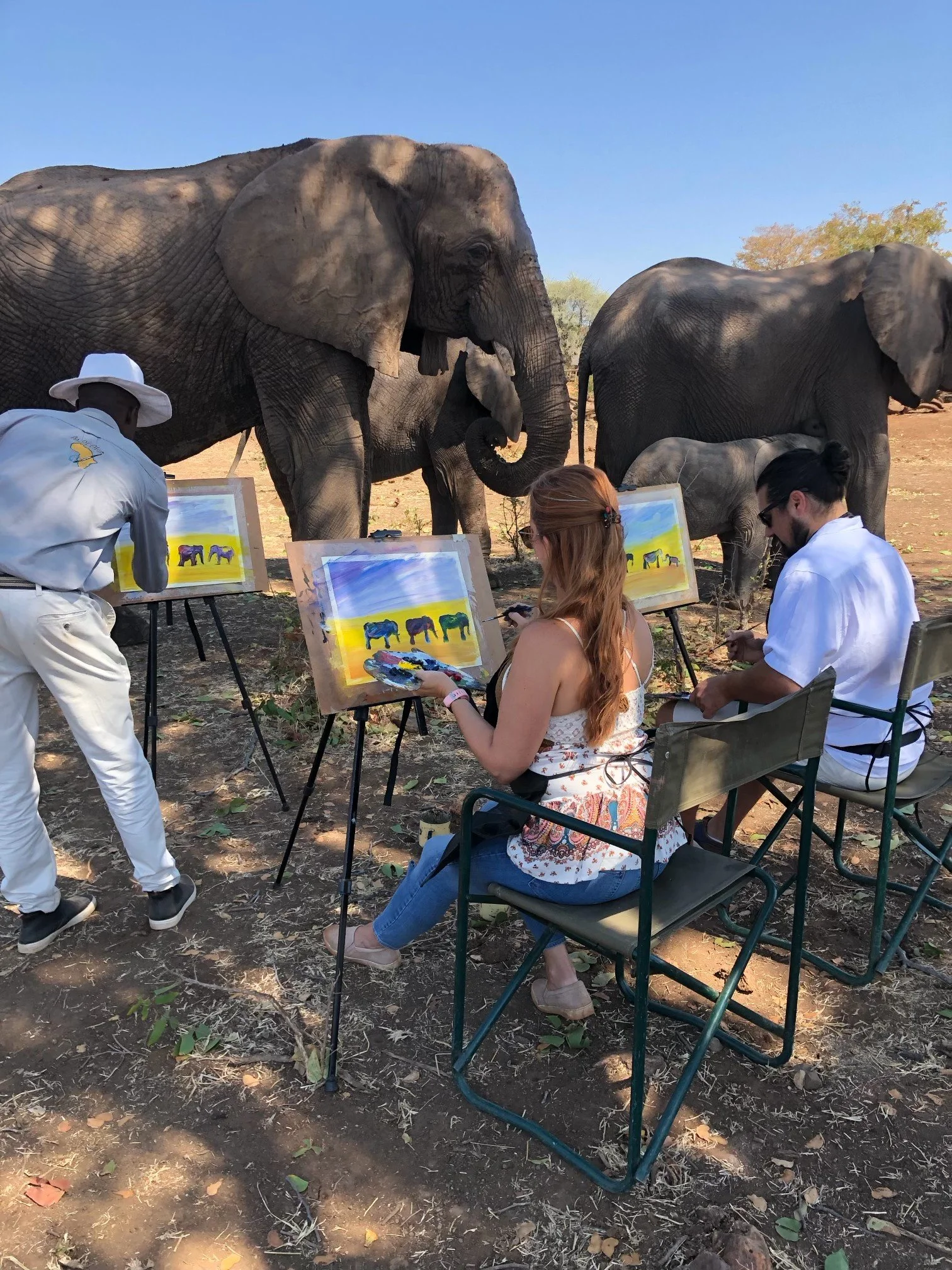
I felt this most unexpectedly while painting in a field with elephants. The painting gave us a reason to slow down, but the real gift was simply being there with them: watching, listening and allowing the quiet to settle. There was no rush to turn the moment into a performance. Sitting peacefully in the presence of animals so intelligent and sentient made the connection feel less like observation and more like a kind of mutual awareness. The canvas mattered, but it was the stillness I carried away.
Once you start thinking this way, one idea naturally opens the door to another. Perhaps France leads you from the easel into the vineyard, walking difficult parcels with the winemaker before tasting from the barrel and attempting a blend of your own. Cross into Italy and the lesson becomes edible: a market visit that continues into a family kitchen, where you learn the shape of the regional pasta, the exact moment a sauce is ready and which shortcut your host considers a personal offense. The point is not to collect a painting class, a wine tasting and a cooking lesson. It is to let each place reveal itself through the people who know it best.
That curiosity might carry you to a pottery studio in Greece, with the Aegean flashing through the doorway as the clay refuses to cooperate, or into the stillness of a private machiya in Japan, where calligraphy teaches you that restraint can be as expressive as color. You could trace the geometry of zellige beside a Moroccan artisan, learn the rhythm of weaving in the Andes or explore block printing in India. None of these belongs on a list of things one ought to do. They are glimpses of how beautifully a destination can answer a curiosity you have carried for years - or awaken one you did not know was waiting. The more interesting question is not which class should be added to the itinerary, but what you might discover when the right place and teacher invite you to try.
And not every lesson needs to leave you with something that fits in a suitcase. In Buenos Aires, a private tango lesson can teach you the posture, codes and quiet conversation happening between two people before the music even begins; then the evening carries you into a milonga, where you understand just enough to see the room differently. In Thailand, that same spirit of participation might look like Muay Thai with a private trainer who introduces the discipline behind the spectacle, followed by the sort of restorative spa afternoon your newly discovered muscles will insist upon. One experience is elegant, the other may reveal that your feet have been freelancing, but both let you enter the culture through movement rather than simply watch from the sidelines.
From there, the possibilities become wonderfully unruly. Learn to read animal tracks with a specialist guide in Africa. Learn to read the changing ice alongside an expedition expert in the polar regions. Study music, jewelry, garden design, sailing or the making of one extraordinary meal. The skill itself can be familiar or completely unexpected. What matters is that it gives you a more intimate way into the destination and sends you home seeing something - perhaps even yourself - with fresh eyes.
What Makes an Experience Memorable
There is no shortage of cooking classes and painting workshops online. What interests me is why one becomes a story you tell for years while another becomes a pleasant two hours you barely remember. Usually, the difference is not the activity itself. It is the person, the setting, the timing and the freedom for the experience to become personal.
One of the experiences I still think about began with truffle hunting in Tuscany. Greg, his mother and I spent the rest of the day turning what we found into a full meal. We made pasta from scratch, stuffed ravioli, hand-rolled chocolate truffles and finally sat down to lunch with what felt like an entire landscape of wines spread before us. From that hilltop, San Gimignano rose in the distance. It was generous, slightly excessive in the best Italian way, and unforgettable because we had gathered, made and tasted the day rather than merely been served it.
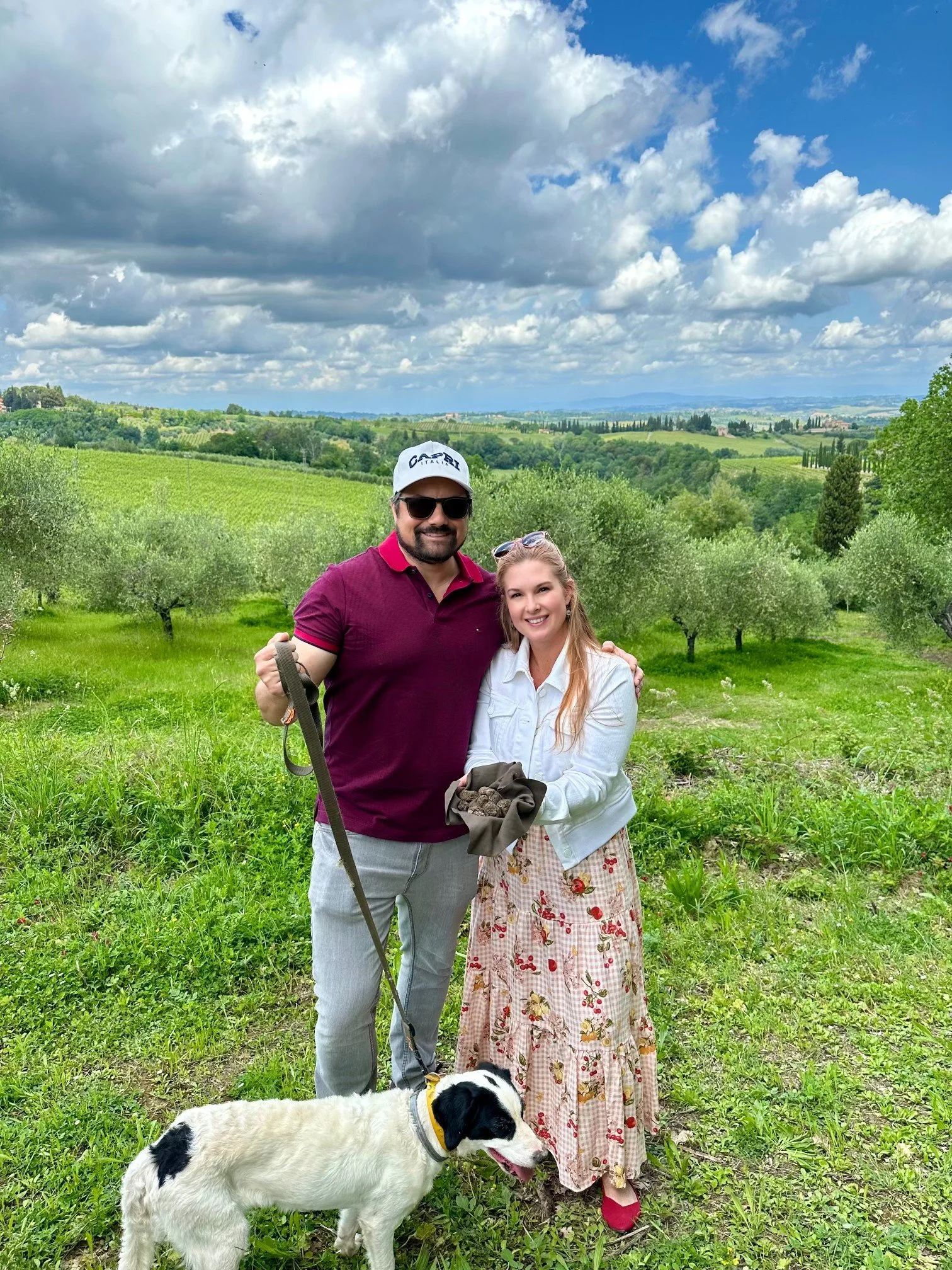
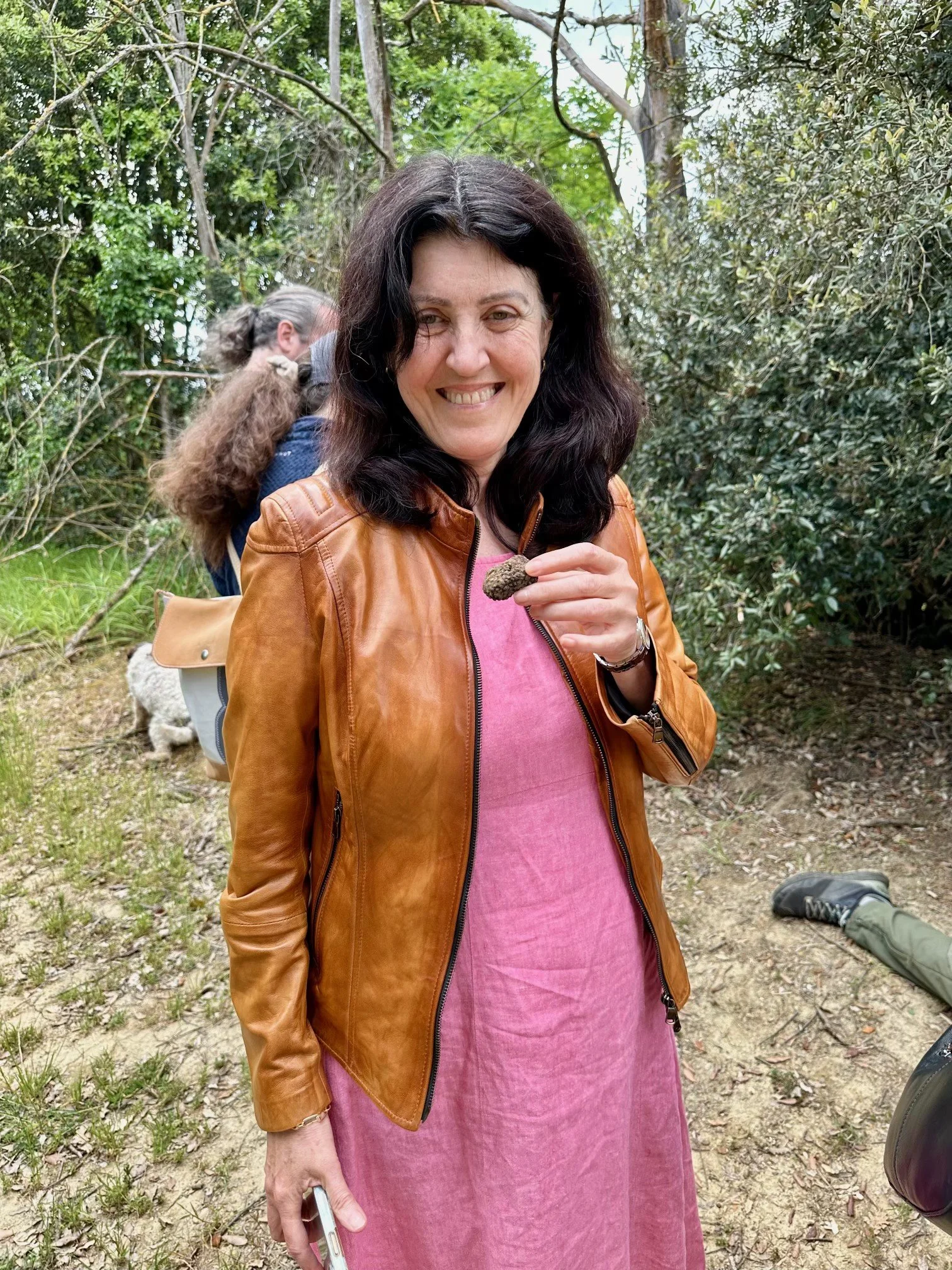
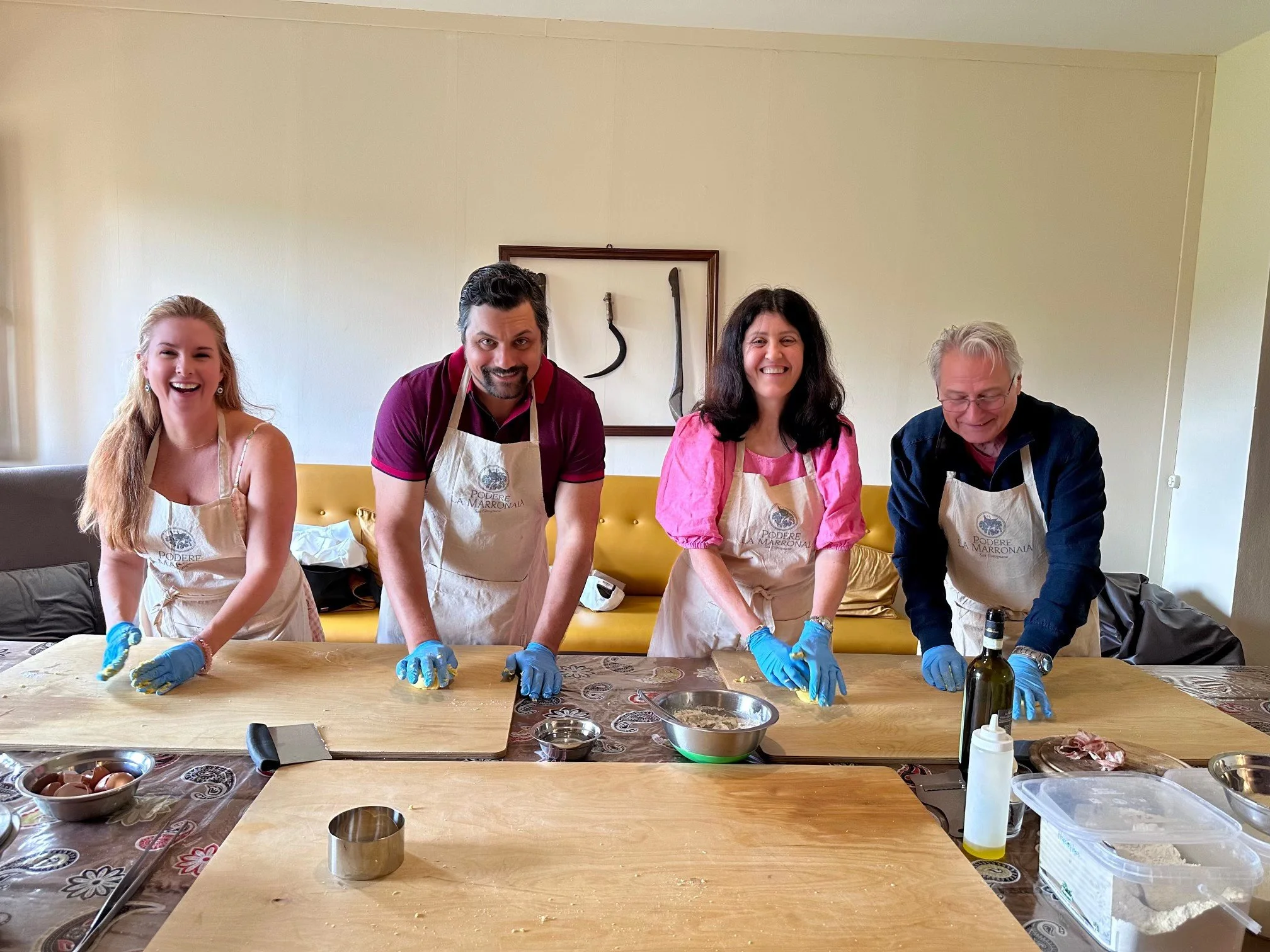
Over the years, I have learned to look beyond the description and pay attention to the details that reveal whether an experience has real depth. Will the artist leave the studio for the hillside when the light is right? Will the chef cook from what was best at the market that morning? Will the winemaker open the cellar and talk honestly about the vintage, or will the visit follow the same polished script delivered all week? The most revealing question is often not what you will do, but who will be beside you while you do it.
This is where trusted local relationships quietly change what is possible. The best partners know which experts are generous with their knowledge, which places are beautiful without feeling staged and when privacy, thoughtful timing or an unexpected invitation can deepen the encounter. They know when to arrive before the doors open, when a private room changes the conversation and when a meal after the lesson gives the experience a second act. The strongest access rarely needs to announce itself. Once you are there, it simply feels as though the day could not have unfolded any other way.
The experience also has to belong to the traveler as much as it belongs to the place. That is why I begin with curiosity rather than a list of activities. Someone who has always noticed the way a place smells might love blending a fragrance with a perfumer in Grasse, then recognizing those same flowers in the gardens and markets beyond the studio. A traveler fascinated by the night sky might learn to find the constellations with an astronomer in Chile’s Atacama Desert. And for someone who travels with a camera, an early morning beside a local photographer can change the way they see every landscape that follows. Timing matters as much as the lesson itself: some experiences open your eyes to the rest of a journey; others bring together what you have discovered along the way. Luxury, to me, is the right door opening at the right moment—and the feeling that what waits behind it could only have happened here, with you.
Bring Home More Than the Photograph
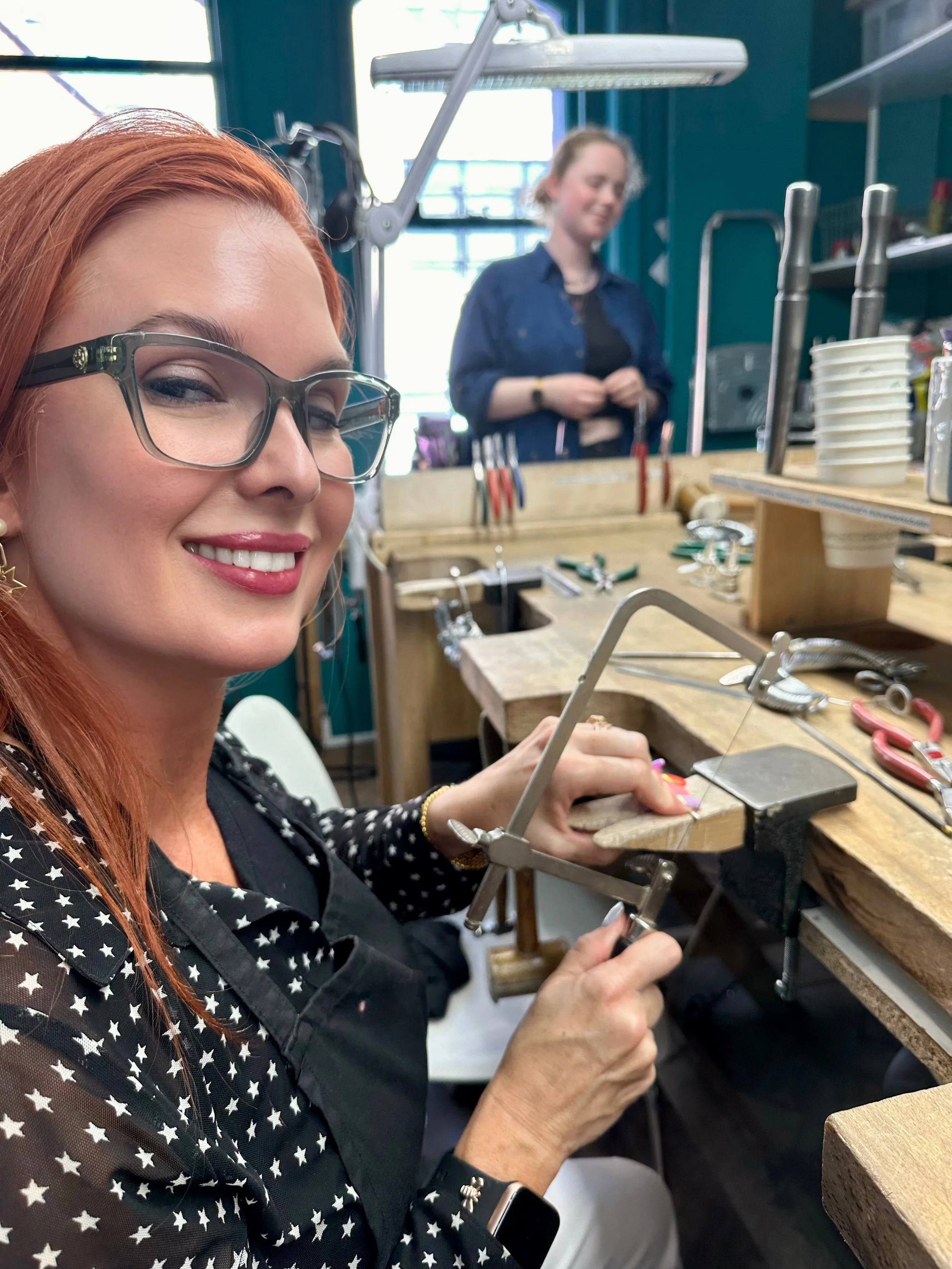
What excites me most is not the idea that you will return home as an expert. You probably will not, and that is hardly the point. Being a beginner makes you listen. It gives you permission to ask questions you might otherwise edit out and to meet a destination without pretending you already understand it. Perhaps you come home with a ring, a canvas, a bottle, a recipe, a page of ink or a bowl with a certain independent lean. Perhaps you bring home nothing tangible at all, only the memory of the view beyond the easel, the music after the lesson, the teacher who corrected your hands or the moment something unfamiliar finally began to make sense. That is the souvenir I care about: not simply proof that you were somewhere beautiful, but the feeling that for a little while you belonged to the life of the place.
I learned that in Dublin, when Greg and I made our own Claddagh rings. At the time, it felt like a fun way to create something together and bring home a piece of Ireland. What surprised me was what happened afterward. The rings became conversation pieces everywhere we went. People noticed them, spoke about their own and revealed how deeply the symbol is woven into Irish life. I had not understood how many people wear them or how immediately recognizable they are. Our rings became more than souvenirs; they opened a door into conversations we would never have had otherwise.
So tell me what you have always wanted to learn - or let me introduce you to an idea you have never considered. We can build a journey around that curiosity, elevate it through the right people and access, and place it somewhere spectacular. The world has plenty to show us. I am far more interested in what it might teach us.
